
Exploring Cost-Effectiveness: Generators vs Solar Power in Nigeria
3/17/20262 min read
Introduction
In Nigeria, power supply issues have prompted many households and businesses to seek alternative energy solutions. Generators have been a longstanding choice for backup power, but the rise of solar power technology invites a critical comparison. This article delves into the cost-effectiveness of generators versus solar power systems in Nigeria, helping consumers determine which option saves more money over the long term.
Cost Comparison: Diesel Generators
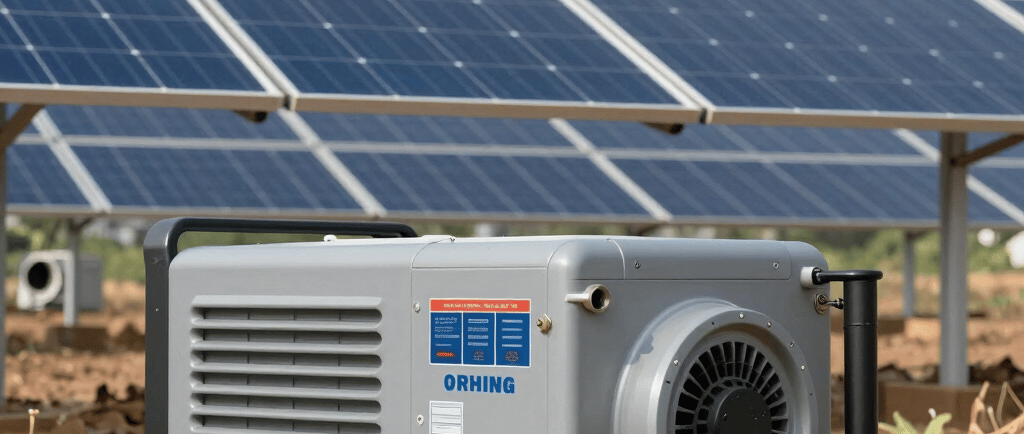
Diesel generators have been a common sight in Nigerian homes and businesses. They provide an immediate and reliable source of power, but come with significant ongoing costs. The primary expenses include diesel fuel, maintenance, and repair costs. The volatility of diesel prices adds uncertainty to the budget. On average, users report paying upwards of 20,000 Naira monthly just for diesel, not including maintenance and occasional major repairs. While the initial investment for a diesel generator may be lower compared to solar, the cumulative costs can quickly escalate.
Cost Analysis: Solar Power Systems
Conversely, solar power systems are gaining popularity in Nigeria due to their long-term cost benefits. Although the initial installation costs can be higher compared to purchasing a generator, solar power systems offer significant savings over time. Once installed, maintenance costs are generally lower, and sunlight is free. Moreover, the decreasing prices of solar panels and advancements in technology have made solar power more accessible than before. In areas with good sunlight exposure, users report savings of over 50% on their monthly energy costs, with most systems paying for themselves within a few years.
Conclusion: Making an Informed Choice
When comparing generators and solar power solutions in Nigeria, the long-term savings clearly favor solar power for many users. While a diesel generator may provide immediate power, the ongoing costs can become a burden. Solar power, although requiring a higher initial investment, ultimately leads to greater savings and less dependency on fluctuating fuel prices. Consumers must assess their energy needs, budget constraints, and long-term goals to make an informed decision. The future of energy solutions in Nigeria leans towards renewable options, and solar power may well be the sustainable answer for many households looking to escape the cycle of diesel reliance.